Long-Term Mold Prevention: Cost vs. Savings for Redondo Beach Homeowners
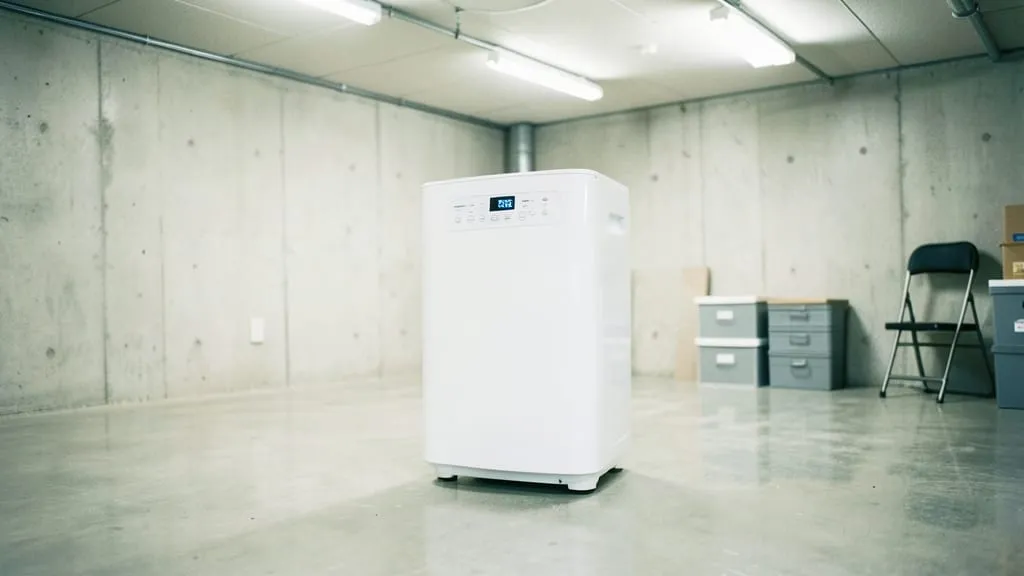
Redondo Beach’s coastal climate creates ideal conditions for mold growth, making prevention a smarter investment than repeated remediation. Homeowners who act early avoid structural damage, health risks, and the escalating costs of unchecked infestations.
Why Mold Prevention Beats Remediation in Coastal Climates
The South Bay’s high humidity and salt air accelerate mold growth on organic surfaces like drywall, wood framing, and carpet padding. Prevention disrupts the moisture cycle before spores take hold.
Remediation addresses existing colonies, but without moisture control, mold often returns within months. Proactive measures target the root cause: excess humidity, leaks, or poor ventilation.
Upfront Costs of Mold Prevention Strategies
Dehumidifiers for crawl spaces or basements typically range in cost based on capacity and energy efficiency. Whole-house systems require professional sizing to match square footage and local humidity levels.
Vapor barriers and crawl space encapsulation involve material and labor costs, but they create a long-term moisture barrier. Proper installation prevents ground moisture from seeping into structural wood.
Attic ventilation upgrades, including ridge vents or solar-powered fans, reduce condensation buildup. Costs vary by roof size and existing ductwork complexity.
| Method | Primary Benefit | Key Cost Drivers |
|---|---|---|
| Dehumidifier Installation | Reduces ambient moisture | Unit capacity, energy rating, drainage setup |
| Crawl Space Encapsulation | Blocks ground moisture | Square footage, vapor barrier thickness, labor access |
| Attic Ventilation Upgrade | Prevents condensation | Roof pitch, existing vent count, fan type |
| HVAC Duct Sealing | Stops humidity spread | Duct material, system size, access difficulty |
| Exterior Drainage Systems | Diverts water away | Soil type, slope, French drain length |
Hidden Savings of Early Mold Intervention
Preventing mold avoids the need for drywall removal, antimicrobial treatments, and HEPA vacuuming during remediation. These labor-intensive steps drive up remediation costs significantly.
Structural repairs from prolonged mold exposure—such as replacing rotted subflooring or joists—can exceed prevention costs by tenfold. Early action preserves home value and integrity.
Health-related savings include fewer doctor visits for allergy or respiratory issues linked to mold exposure. Families with asthma or immune sensitivities benefit most from a mold-resistant environment.
Focus prevention efforts on basements, crawl spaces, attics, and bathrooms first. These areas trap moisture and lack airflow, making them mold hotspots in Redondo Beach homes.
Long-Term ROI: Prevention vs. Repeated Remediation
A one-time investment in moisture control systems often pays for itself within 3–5 years by eliminating remediation cycles. Homes with encapsulated crawl spaces report 60–80% fewer mold incidents.
Energy-efficient dehumidifiers also lower HVAC costs by reducing the workload on air conditioners. Over time, utility savings offset the initial equipment expense.
Real estate appraisers in the South Bay note that homes with documented mold prevention measures command higher resale values. Buyers prioritize properties with proactive maintenance histories.
Redondo Beach-Specific Mold Risks
The city’s proximity to the Pacific introduces salt air, which corrodes metal HVAC components and degrades seals. This accelerates moisture intrusion in ductwork and around windows.
Older neighborhoods like North Redondo Beach often have uninsulated crawl spaces, a legacy of pre-1970s construction. These spaces lack vapor barriers, making them highly susceptible to mold.
Spring and early summer bring marine layer fog, which deposits moisture on exterior surfaces. Without proper grading, water pools near foundations and migrates indoors.
Improperly installed vapor barriers can trap moisture between the barrier and subflooring, worsening mold growth. Always hire professionals familiar with coastal building codes.
Integrating Prevention into Home Maintenance
Schedule annual HVAC inspections to check for duct leaks or condensation buildup. Technicians can also verify that drain pans and lines are clear of debris.
Install moisture sensors in high-risk areas. Smart sensors alert homeowners to humidity spikes before mold colonies form, allowing for rapid intervention.
Trim vegetation away from exterior walls and clean gutters seasonally. Overgrown landscaping and clogged downspouts direct water toward the home’s foundation.
Seasonal Mold Prevention Tasks
- Inspect attic and crawl space for new water stains or musty odors
- Test HVAC drain lines for proper flow and seal integrity
- Recalibrate dehumidifiers for seasonal humidity changes
- Check caulking around windows and doors for cracks
- Service sump pumps before the rainy season
When to Consider Professional Mold Prevention Services
Homes with a history of water damage or previous mold remediation benefit from a comprehensive prevention plan. Professionals assess airflow, humidity sources, and structural vulnerabilities.
Post-remediation sealing is critical to prevent recurrence. Contractors apply mold-resistant primers and encapsulants to treated surfaces, creating a protective barrier.
For new construction or major renovations, incorporate mold-resistant materials like paperless drywall or treated lumber. These upgrades add minimal upfront cost but provide long-term protection.
How to Calculate Your Mold Prevention Budget
Estimating costs starts with identifying your home’s unique risk factors and matching them to the right solutions.
- 1Assess Your Home’s Moisture Sources
Walk through each level, noting signs of water intrusion, condensation, or poor airflow. Pay special attention to basements, attics, and areas near plumbing.
- 2Prioritize High-Impact Areas
Rank spaces by risk level. Crawl spaces and bathrooms typically require the most immediate attention due to high humidity and limited ventilation.
- 3Research Local Material and Labor Costs
Contact suppliers for pricing on dehumidifiers, vapor barriers, and ventilation components. Labor costs vary by project complexity and contractor rates in the South Bay.
- 4Compare Prevention vs. Remediation Scenarios
Request quotes for both prevention systems and potential remediation if mold were to develop. Factor in long-term savings from avoided damage and health costs.
- 5Phase Your Investments
Start with the most critical fixes, such as sealing leaks or installing a dehumidifier. Spread out larger projects like encapsulation over multiple years to manage cash flow.
Frequently Asked Questions
Does Redondo Beach’s climate make mold prevention more expensive?
Yes, the coastal humidity and salt air require more robust solutions, like marine-grade materials or corrosion-resistant dehumidifiers. However, these upfront costs prevent far higher remediation expenses down the line.
Can I prevent mold without professional help?
DIY measures like improving ventilation, using portable dehumidifiers, or fixing leaks can help. But for whole-home solutions, especially in crawl spaces or attics, professional assessment ensures long-term effectiveness.
How often should I replace mold prevention systems?
Dehumidifiers typically last 5–10 years, while vapor barriers and encapsulation systems can last 20+ years with proper maintenance. Regular inspections extend their lifespan.
What’s the most cost-effective mold prevention step for older homes?
Sealing air leaks and improving ventilation offer the highest ROI. In older Redondo Beach homes, adding ridge vents or soffit vents to attics can drastically reduce moisture buildup.
Does mold prevention add value to my home in Redondo Beach?
Absolutely. Buyers in the South Bay market often pay a premium for homes with documented mold prevention measures, as it signals reduced risk and lower maintenance costs.
Are there any local rebates for mold prevention upgrades?
Some utility providers offer rebates for energy-efficient dehumidifiers or HVAC upgrades. Check with local agencies or your energy provider for current programs, as these change frequently.